

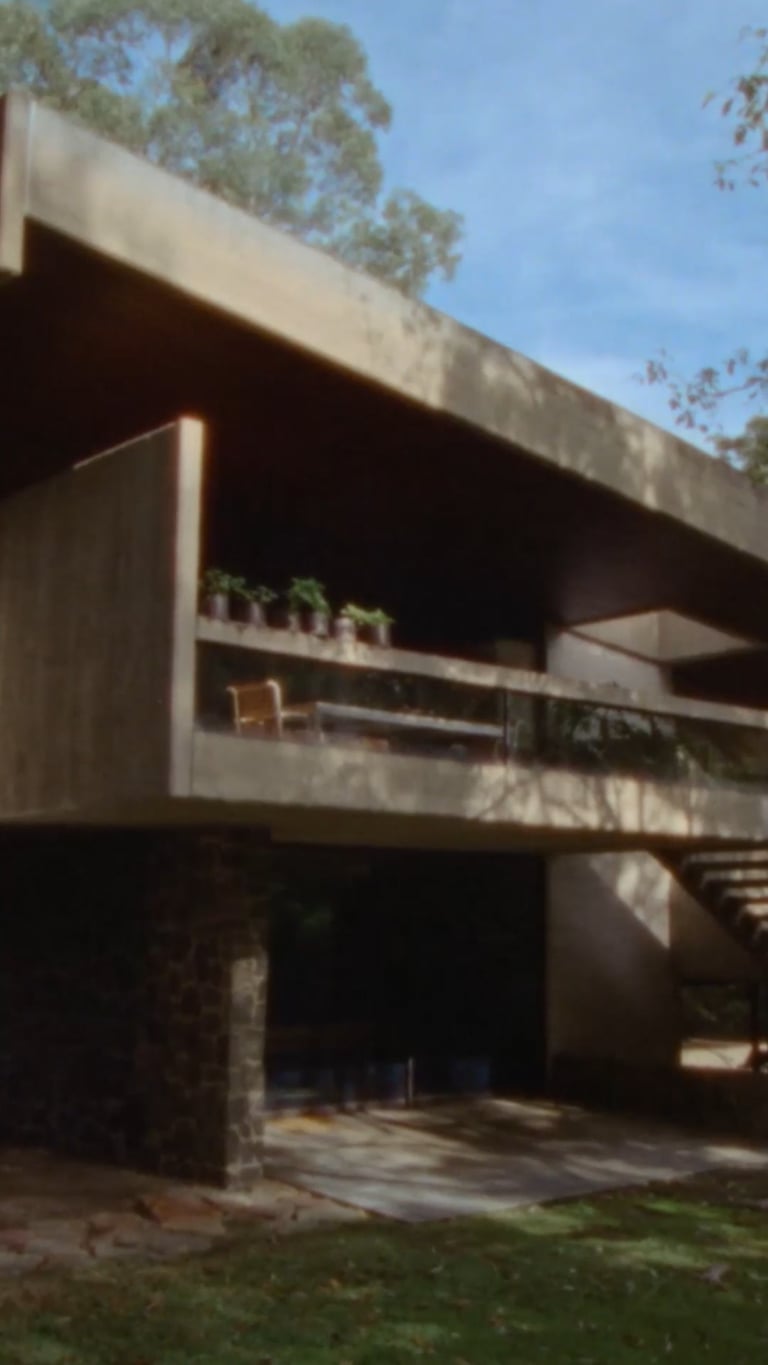
A film and portrait series featuring six Australian creatives and the spaces, objects and stories that shape them.
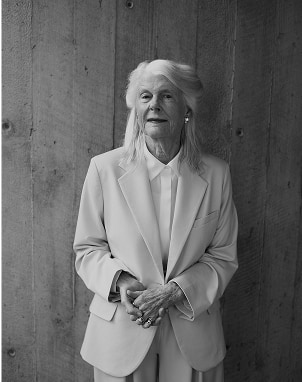
Penelope Seidler & Benjamin Jay Shand
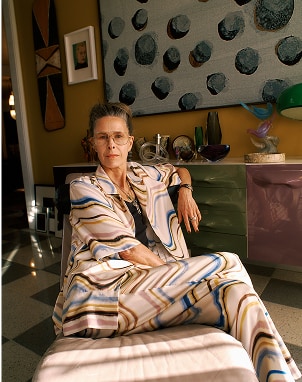
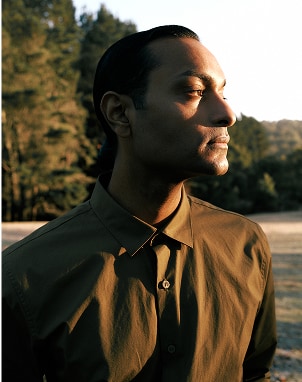
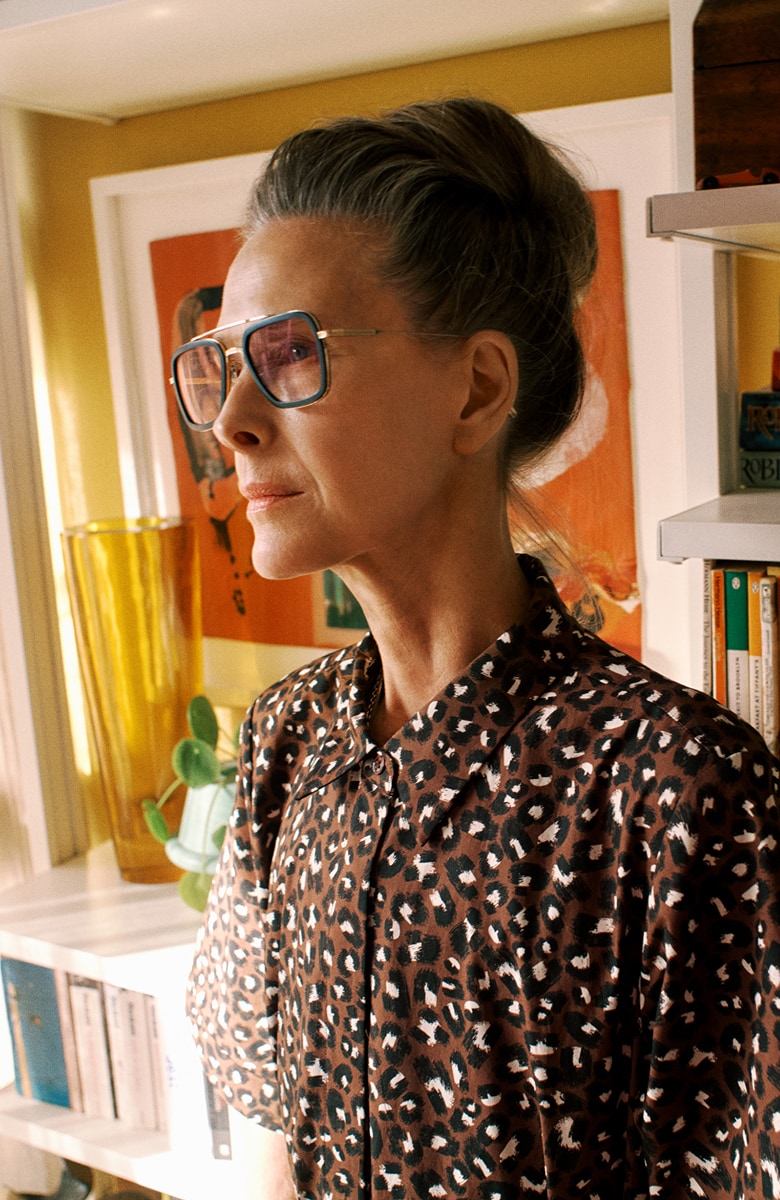
Architects Penelope Seidler AM and Benjamin Jay Shand meet at Seidler House to reflect on the joy of daily rituals and blurring the line between home and practice.

Penelope Seidler
Architect, at home on Eora Land, Sydney
Penelope Seidler has always lived with a deep connection to place. The director of Harry Seidler & Associates has spent decades immersed in structure and space, from large-scale projects to the grounding rituals of daily life.
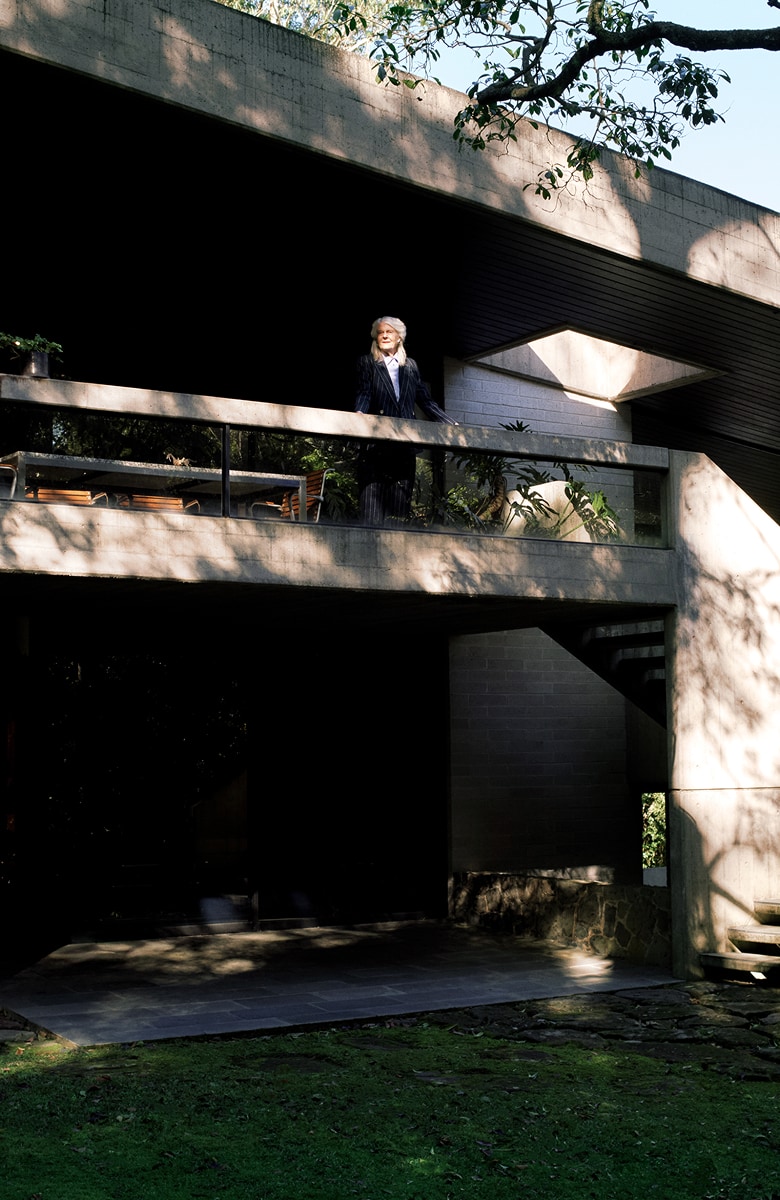
Her modernist concrete home—designed with her late husband, Harry Seidler, and completed in 1967—is both an architectural icon and the quiet centre of her life. It's where she tends native plants and cross-stitches perspective sketches of buildings on the balcony. Penelope views her domestic world as a continuous source of inspiration. The kitchen drawers keep Rose Seidler's Viennese cutlery. Waterfalls babble gently in the garden. The light gently shifts.
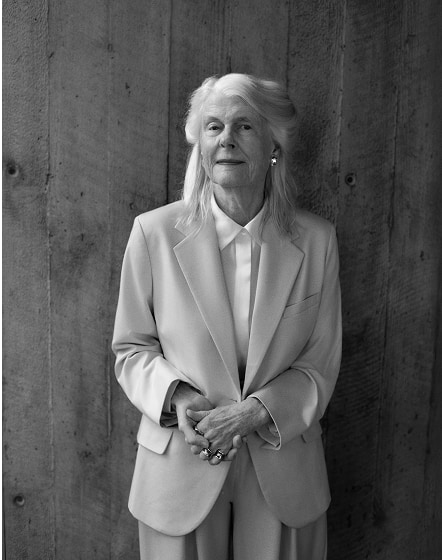
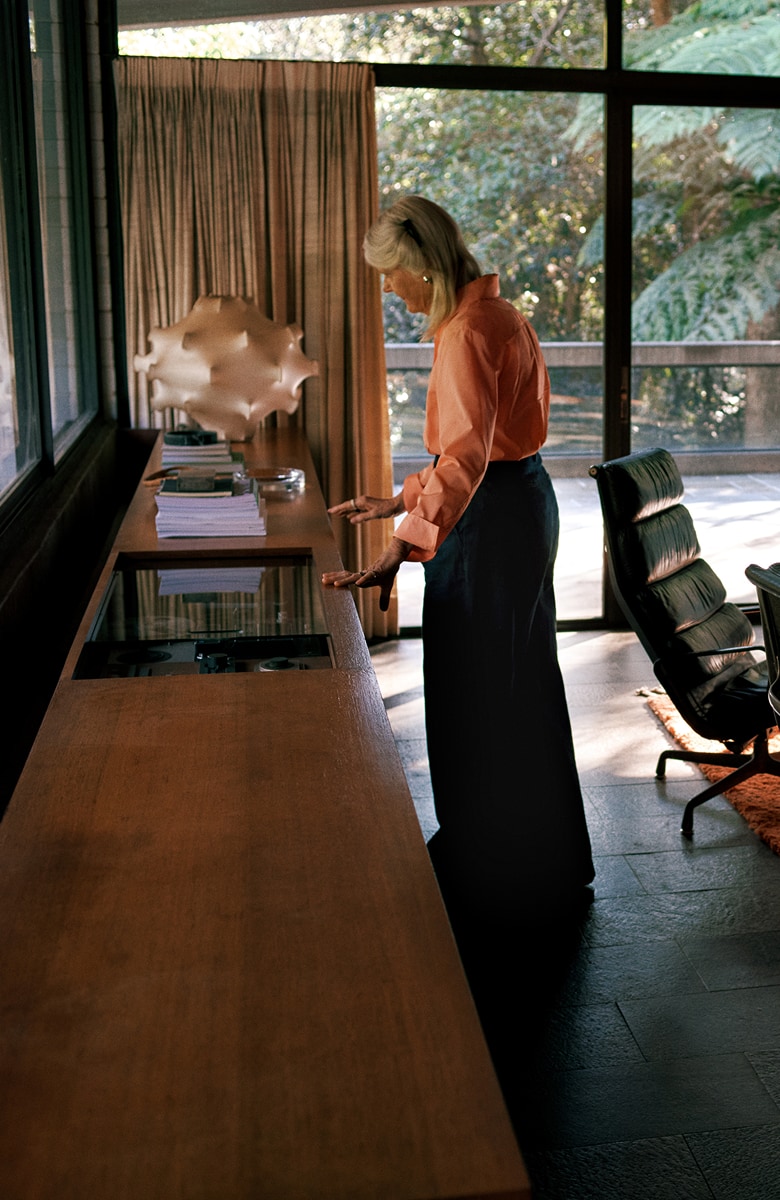
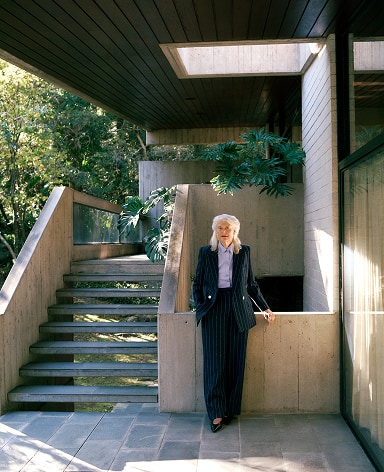
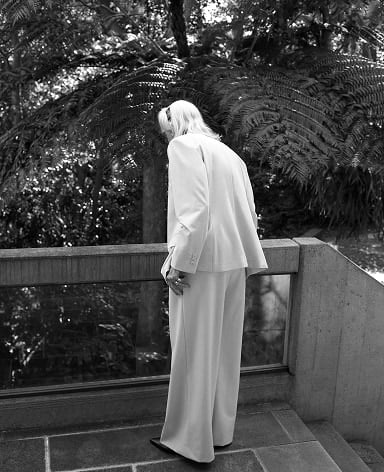
A steadfast advocate for the arts, Penelope has served on the boards of the Biennale of Sydney and MoMA, and champions young architects through mentorship and professorships. But she finds the most joy in the small and considered: a perfect afternoon shadow or the slow satisfaction of threading a needle.
Benjamin Jay Shand
Architect and artist, at home on Gadigal Land, Sydney
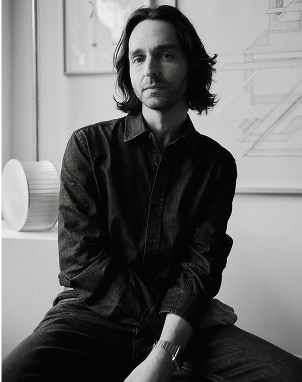
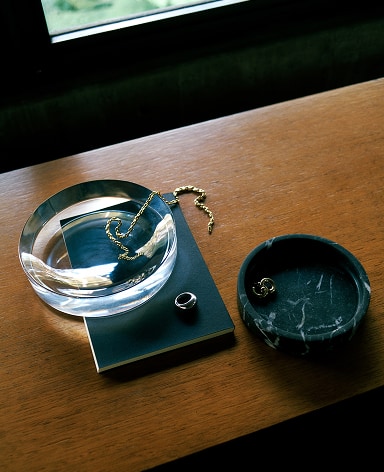
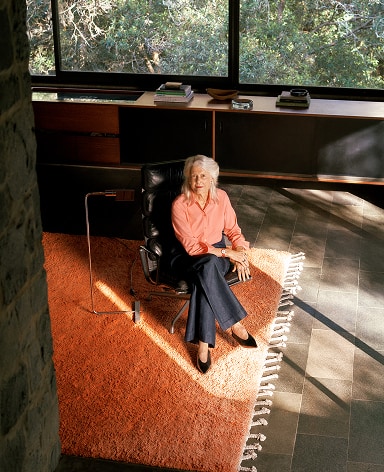
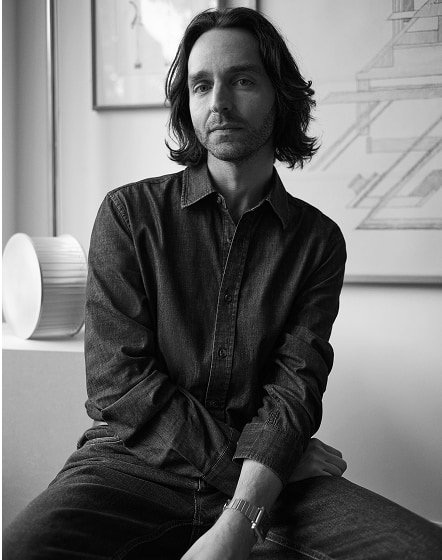
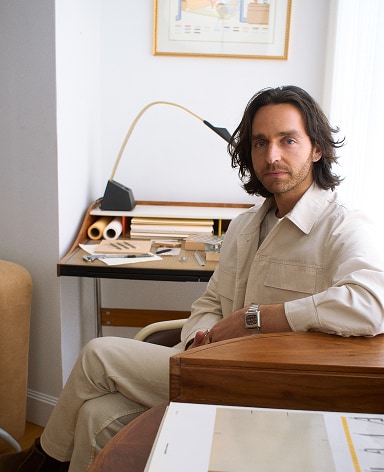
There's a quiet rhythm to the way Benjamin Shand works; an attention to form and feeling that shows up not only in his architecture but in the objects, interiors and atmospheres he creates.
Buon Gusto Studios is the former Darlington pizzeria turned creative hub he founded with his partner, painter Eliza Gosse. It's home to a makers' collective, from sculptors and painters to writers and directors. Collaboration, he says, is the only way forward— “with people who are better than you at other things.”
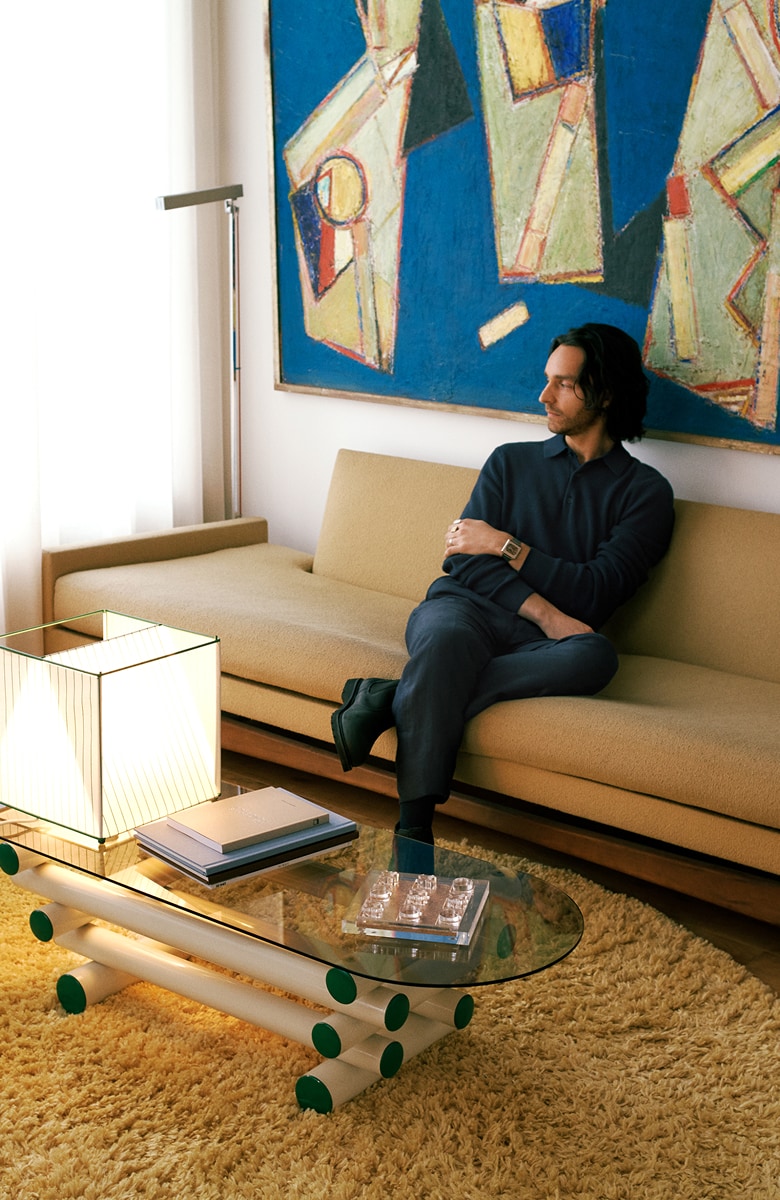
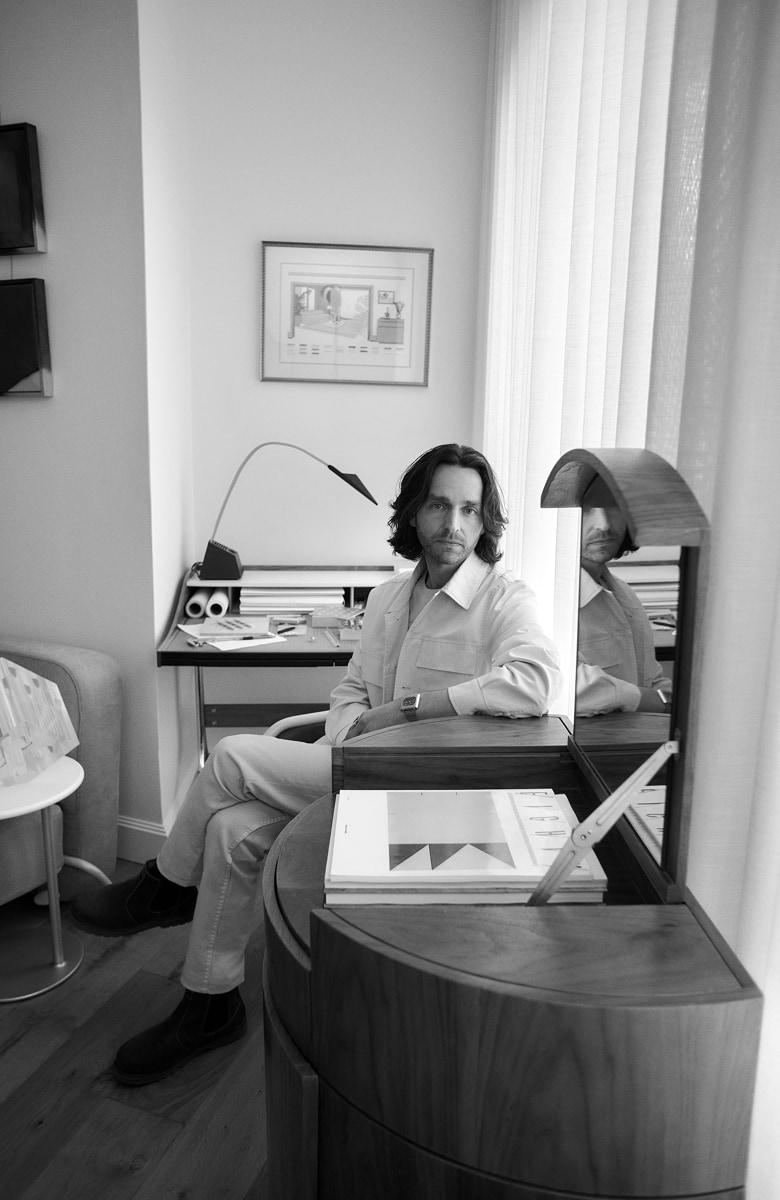
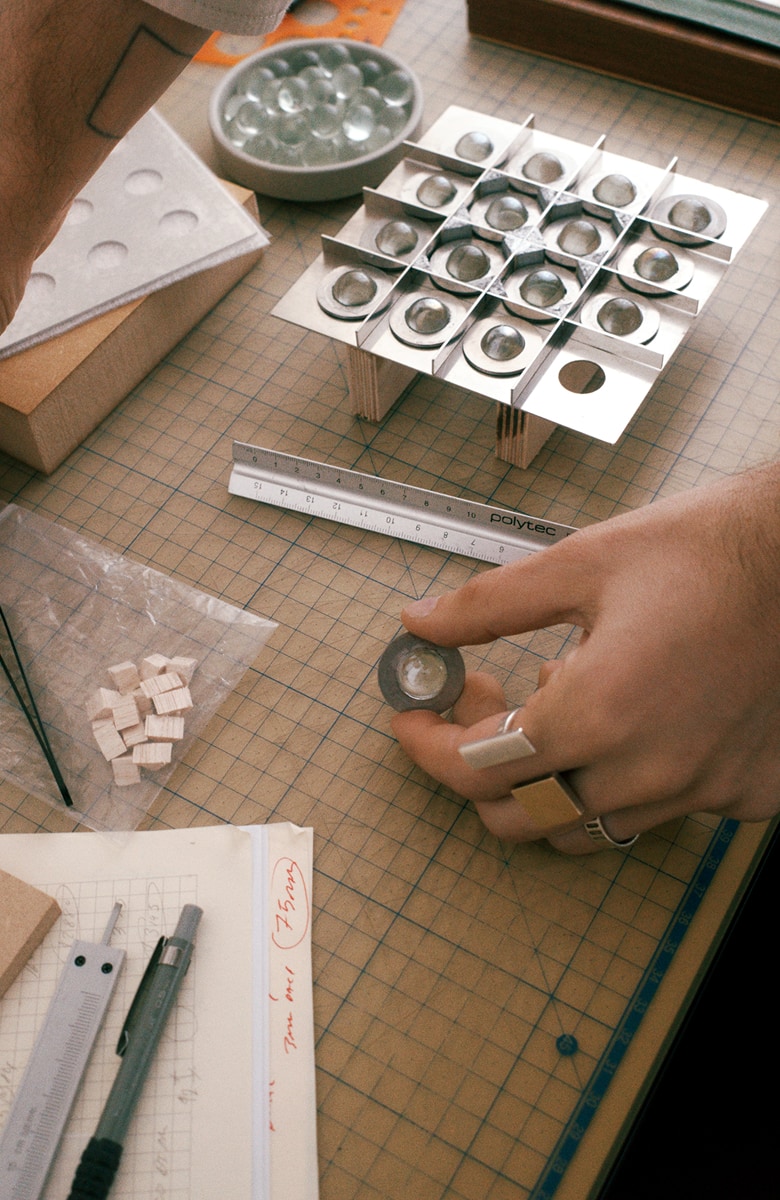
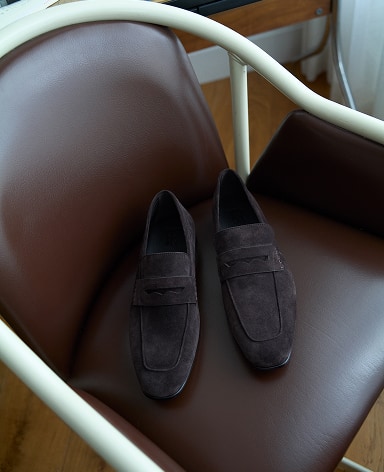
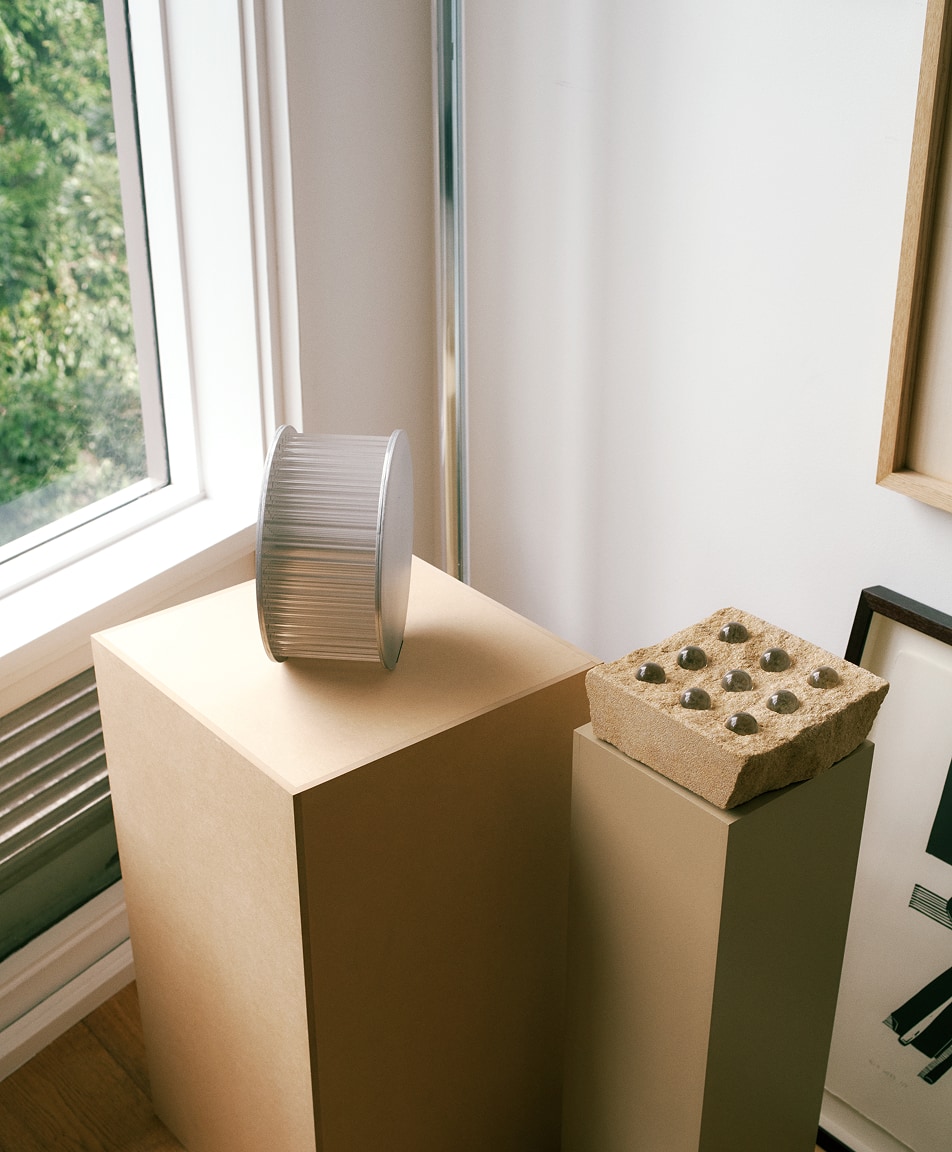
Above: Painting by Eric Smith. Sculpture by Peter D. Cole. Lamp by Piero De Longhi for Ibis. Noughts and Crosses Set by Studio Shand. Below: Desk by George Nelson for Herman Miller. Painting by Eliza Gosse.
Benjamin's work draws from Brutalist architecture, midcentury design and pared-back geometries, but what grounds it is a deep respect for what came before. He sees sustainability not only in materials but in the act of paying attention, to what exists, what has shaped a place, and how best to care for it, creating spaces that live well and keep giving.
The Things We Hold
Architects Penelope Seidler and Benjamin Jay Shand come together for a rich conversation on legacy, sustainability, relationships and blurring the line between work and play.
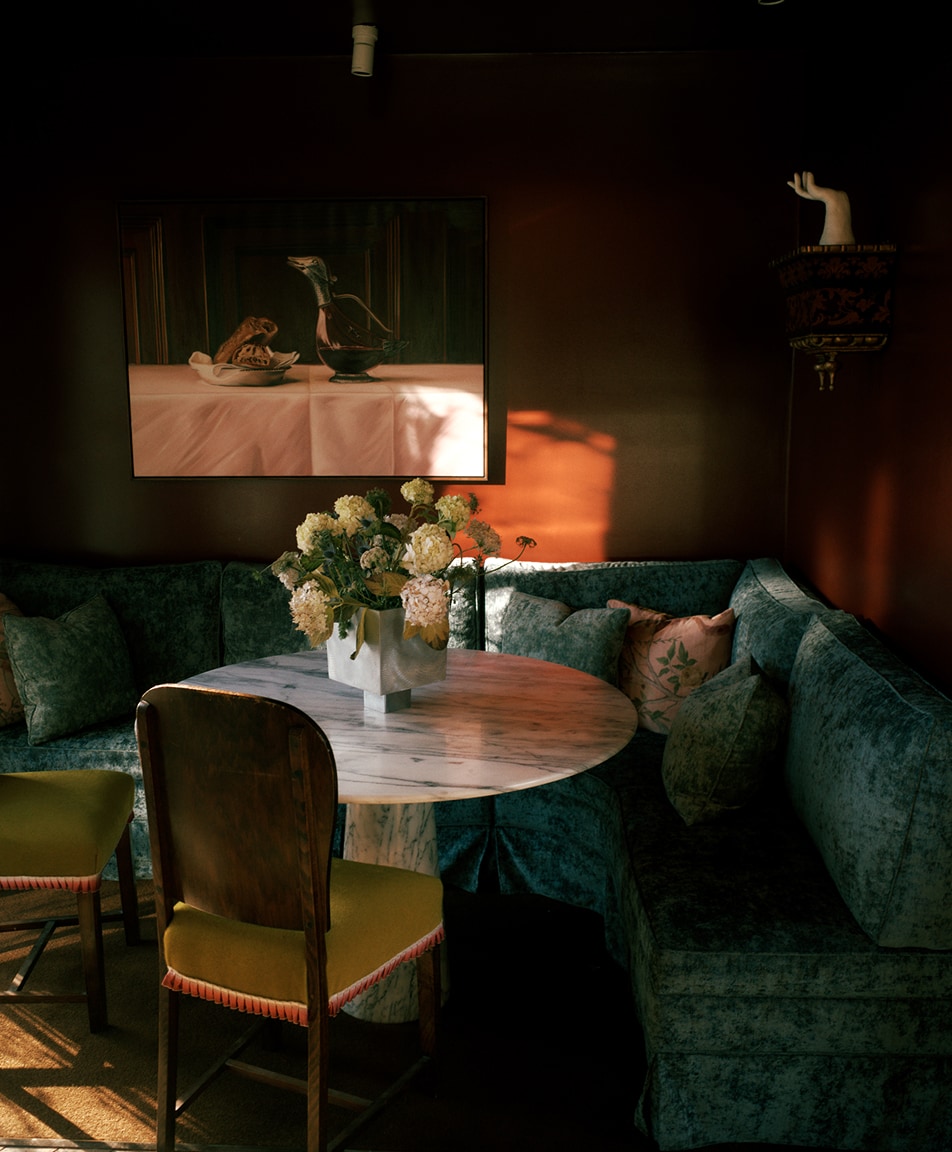
Nina Treffkorn
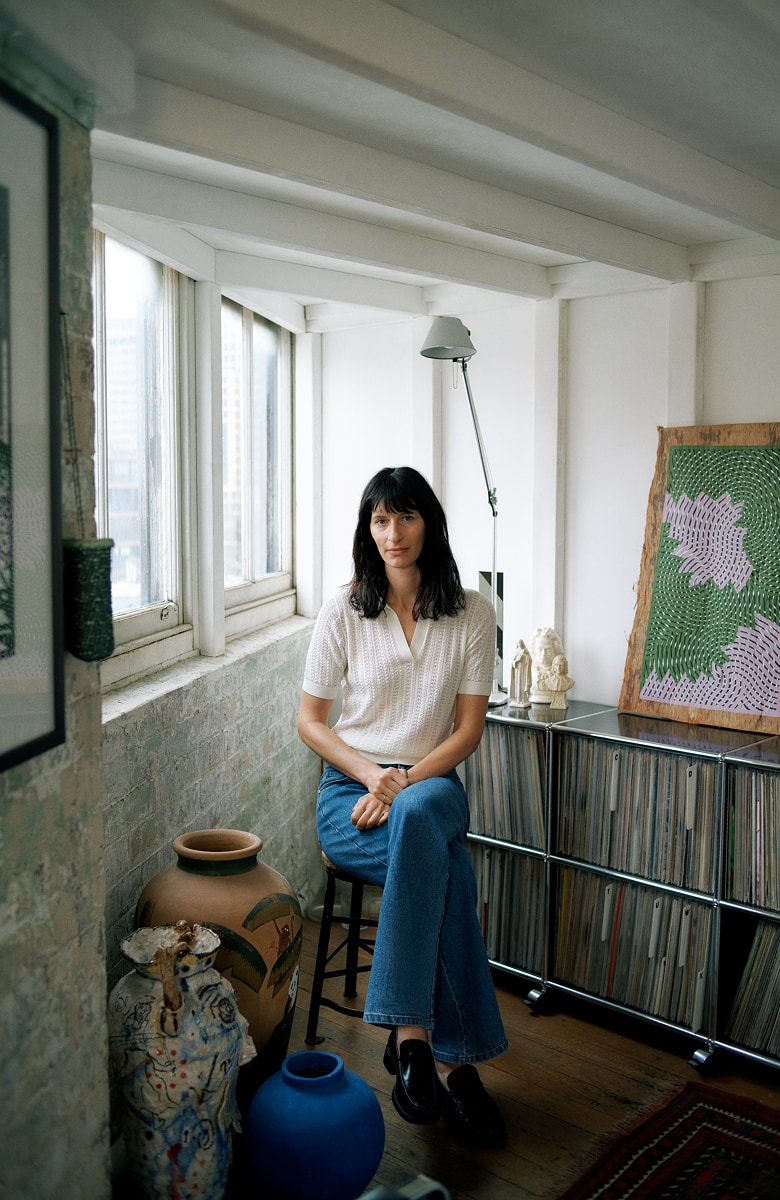
Gallerist, at home on Gadigal Land, Sydney
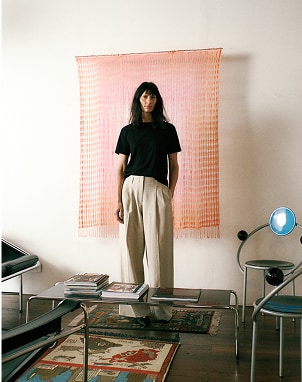
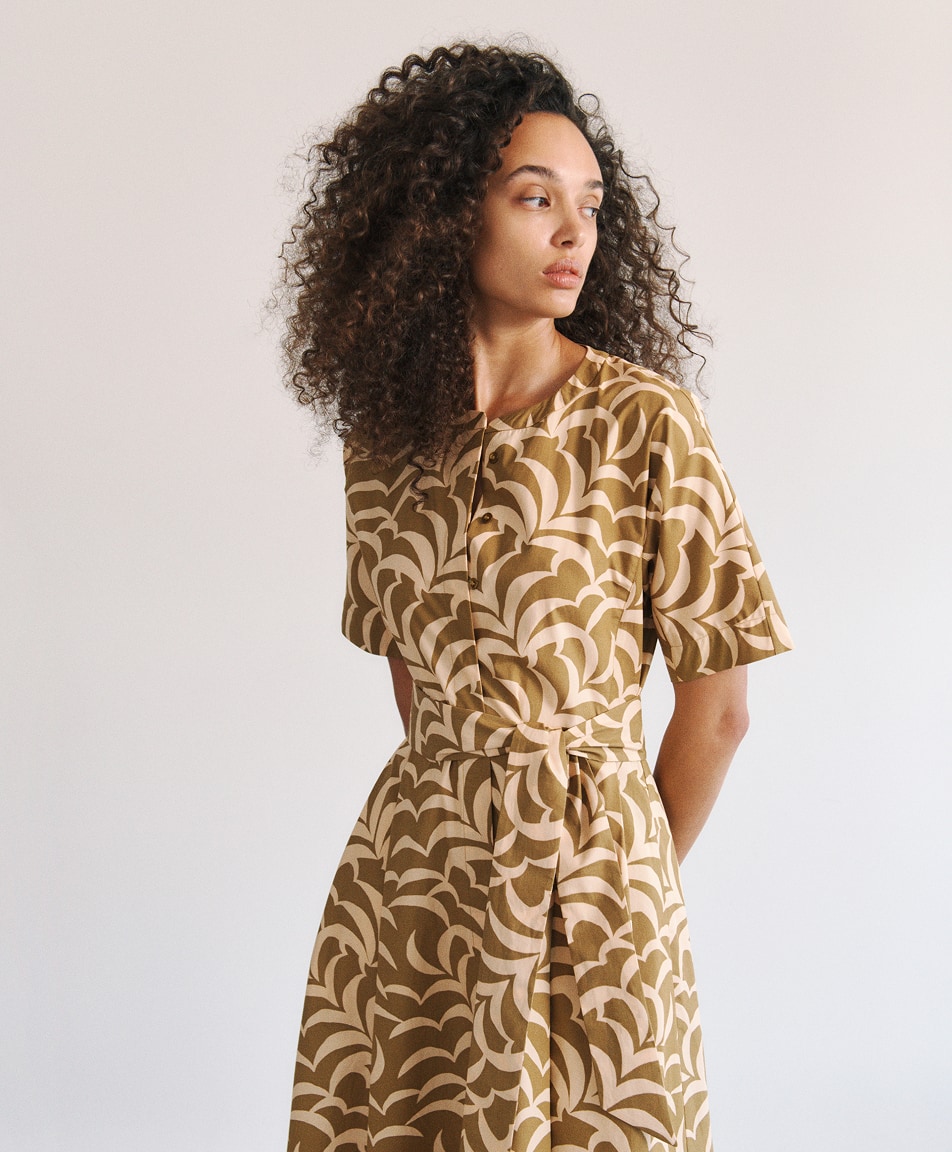
While not a practising artist herself, Nina Treffkorn has spent her life immersed in the creative process. As co-director of China Heights Gallery, an independent mainstay of Sydney's contemporary art scene, she helps shape its visual language through exhibitions, publications and creative collaboration. With her partner, China Heights founder and artist Edward Woodley, she's cultivated an environment grounded in trust, dialogue and evolution.
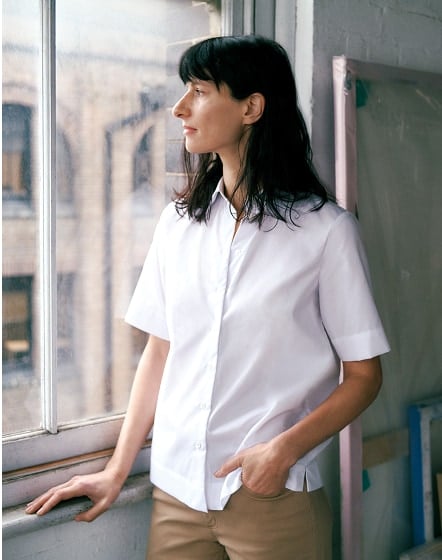
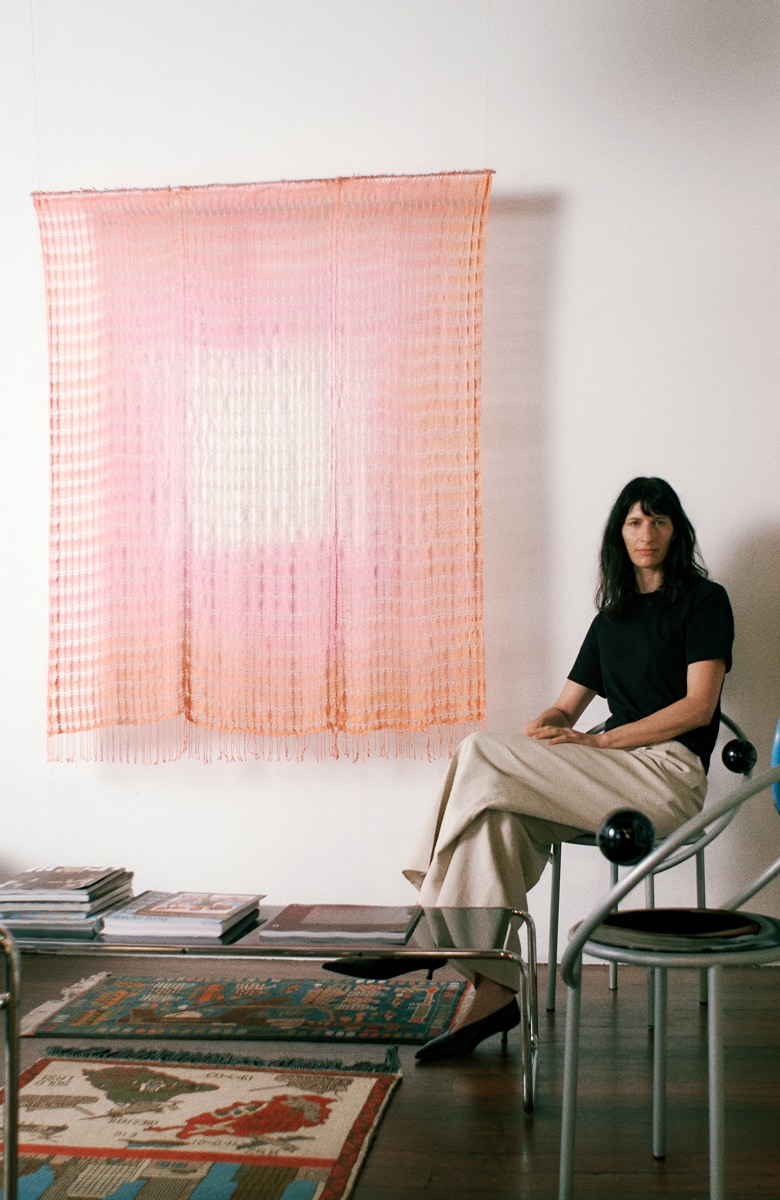
Wall hanging by Rachel Rutt. Memphis Milano First chairs by Michele De Lucchi, inherited from Nina's father.
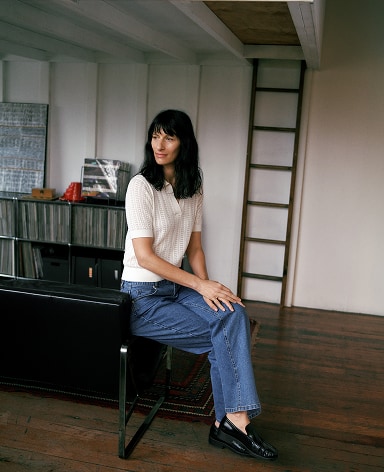
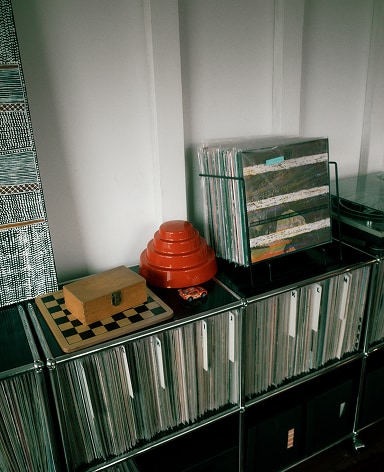
Born to German parents and raised in a small Irish village, Nina grew up surrounded by contrast. Her mother's home was eclectic, filled with global influences; her ceramicist father taught her precision and a reverence for Italian design. For a long time she resisted their world—especially their shared taste in postmodernist furniture—but has since found deep meaning in these early influences. The Memphis chairs she inherited are now prized possessions. “They're massively sentimental,” she says. “I didn't understand them then, but now I see exactly why they appeal to me.”
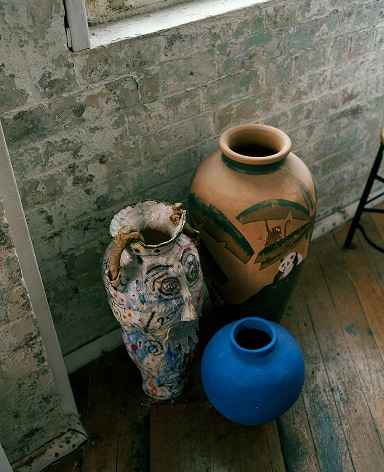
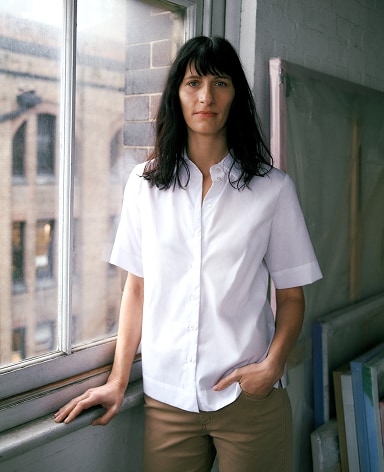
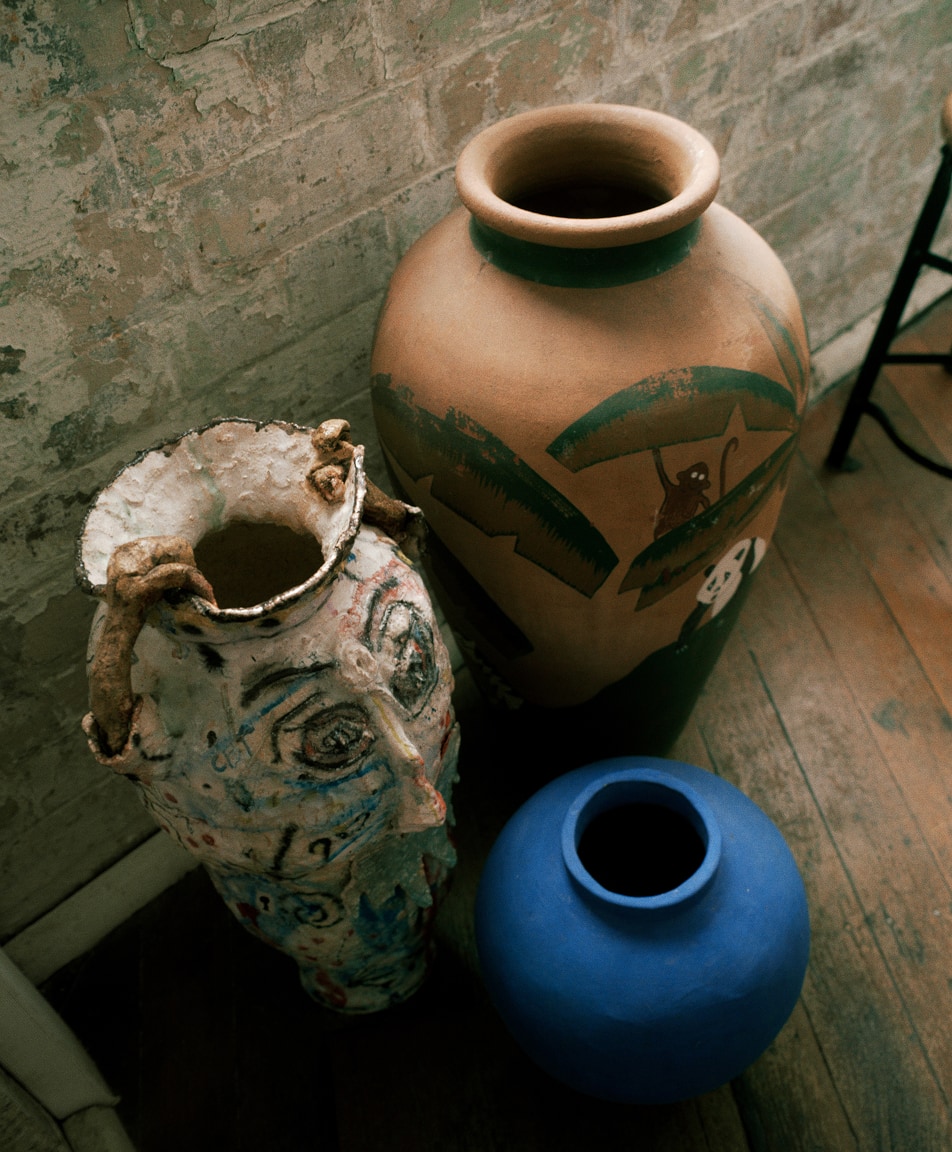
Face vase by Ryan Hancock. Blue ceramic vase by Romy Northover. Below: Painting by Otis Hope Carey.
Nina's creativity shows through an intuitive approach to spatial storytelling and her sensitivity and respect for the artists she works with. “Our relationships are strong enough to have the hard conversations,” she says. Nina and Edward are parents to teenage sons, and while their family life is distinct, it remains closely intertwined with their creative world. What endures is a shared ethos: lead with trust, let the work speak, and build something that lasts.
Shaun Daniel Allen (Shal)
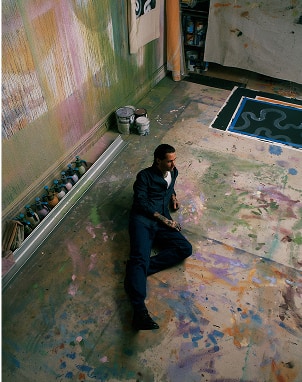
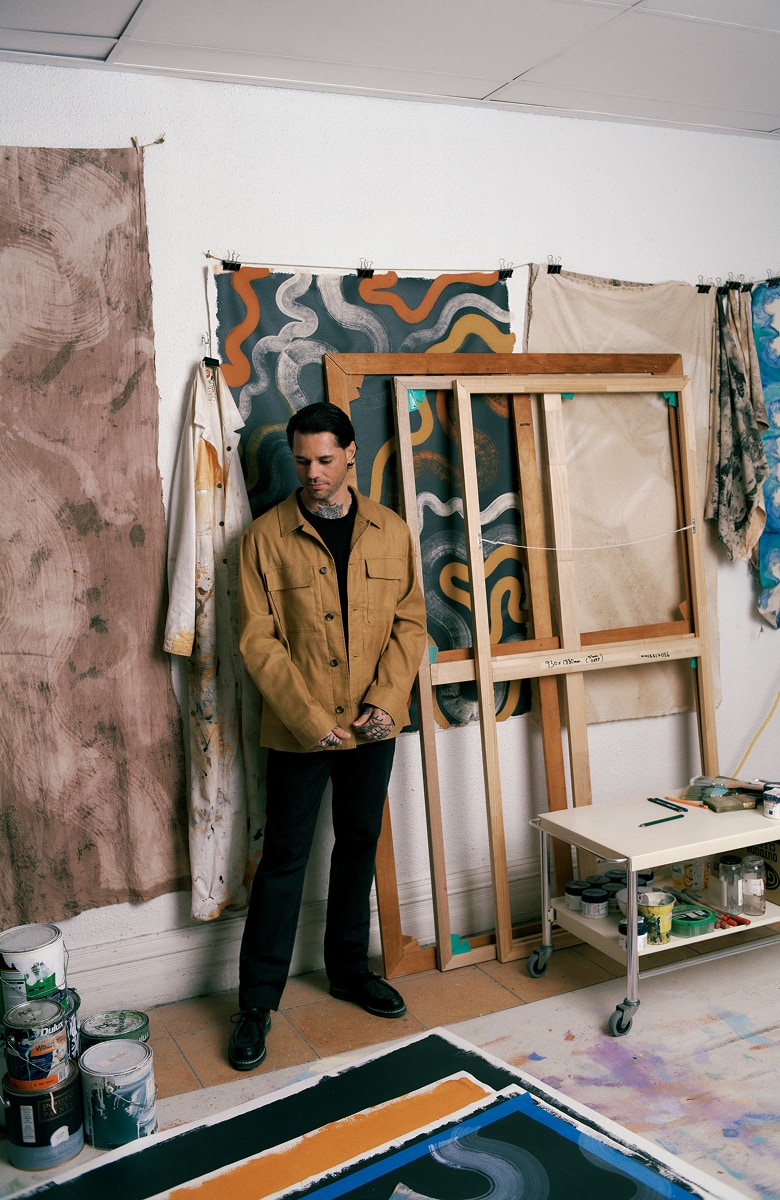
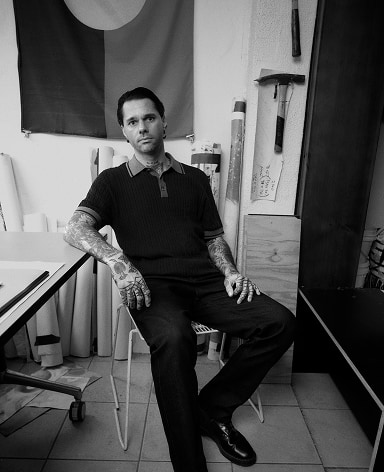
Artist, in his studio on Gadigal Land, Sydney
Shal's art moves like the water that raised him. Born on the Gold Coast (Yugambeh), of Bundjalung heritage, he spent his childhood surfing, swimming and playing in punk bands—early rhythms that still echo through his work.
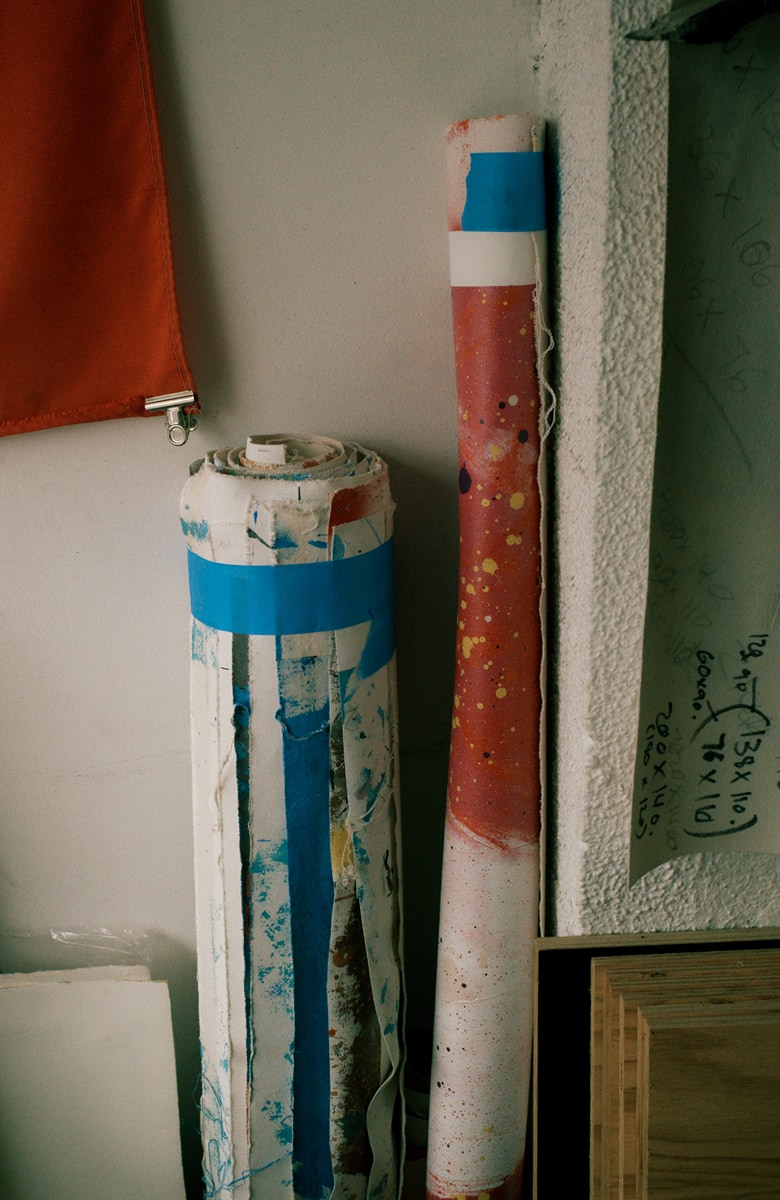
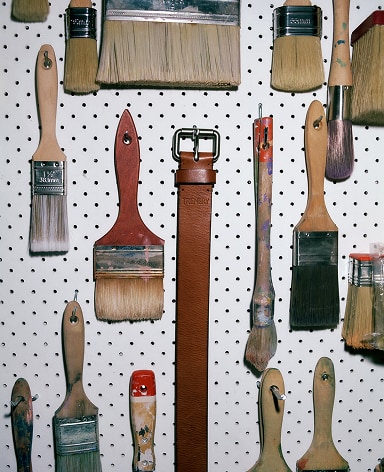
Now based in Sydney, Shal paints with his hands, using many mediums including ochres, and naturally dyeing with leaves gathered respectfully from Country. The process begins long before the canvas, with walking, collecting and giving thanks. “It's such a big part of it,” he says, “to give thanks for being allowed to take ochre and make this paint out of my Country.” The materials hold a quiet power, he says, “like waves, or breath.”
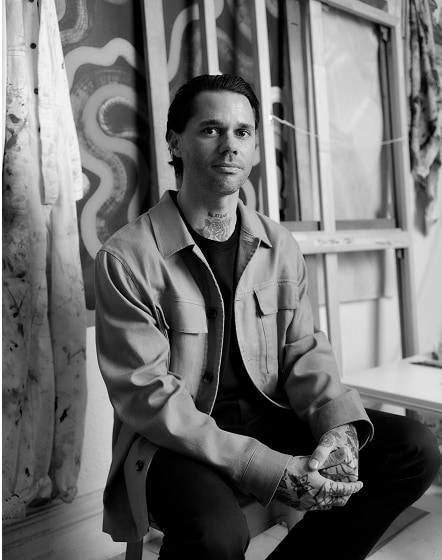
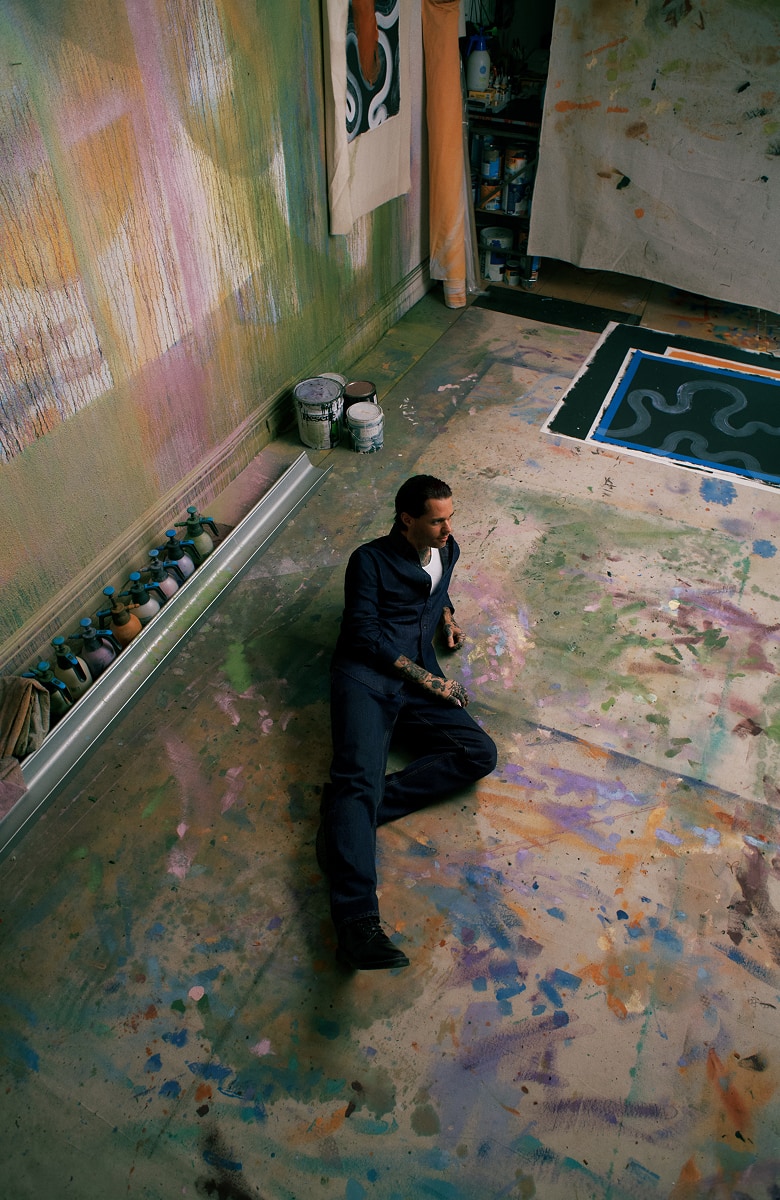
What began simply as a way to “put marks down” evolved into a deeper exploration of culture and belonging. Through Shal's early exhibitions and conversations with other artists, he realised how much he wanted to speak to place— “all the things I saw growing up, and all the things I didn't.” There's an unpolished honesty in his work, shaped by his years in bands and tattoo studios. “Mistakes are part of the language.”
The Things We Hold
Bundjalung–Yugambeh artist Shal and gallerist Nina Treffkorn reflect on creative courage, their earliest influences, and the journey of shaping your identity through art.
Eryca Green & Brahman
Multidisciplinary artist Eryca Green visits designer Brahman at home to talk about instinct, imperfection and the emotional role of colour.
Eryca Green
Multidisciplinary artist, at home on Wurundjeri Woi-wurrung Land, Melbourne
Eryca Green doesn't believe in perfect spaces. As the co-owner of Smith Street Bazaar, her work defies conventional design logic. It's not about polish or pedigree but about objects with soul, things that tell stories. Her inner-city home, affectionately dubbed “the Palazzo”, is warm, irreverent and richly personal.
A self-confessed maximalist with a soft spot for (only certain shades of) pink, her aesthetic is joyful and unapologetically her own. “If you don't have money,” she says, “you can do a lot with a tin of paint.”
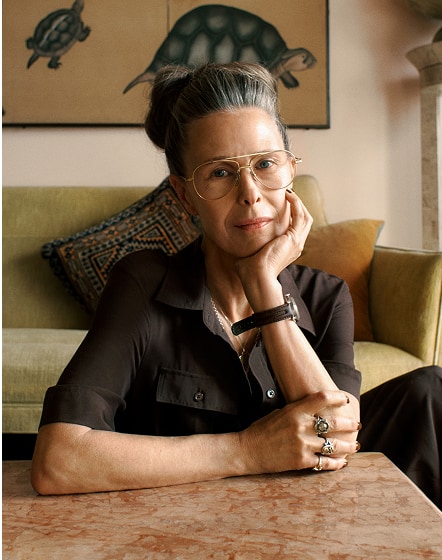
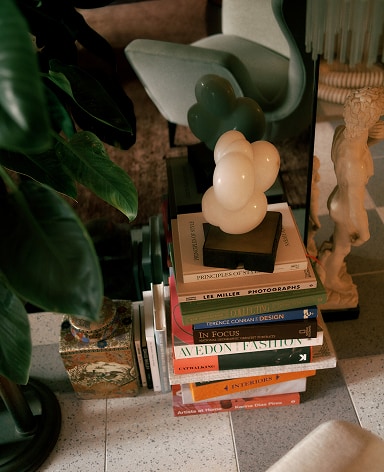
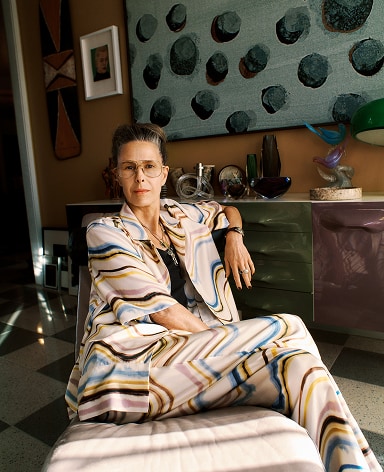
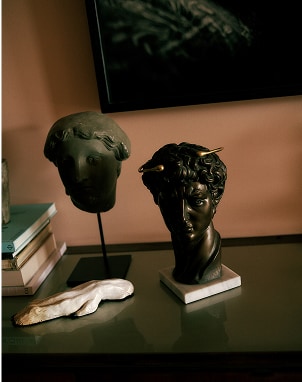
Left: Alabaster sculpture by Carol Crawford. Right: Wall tapestry by Martyn Thompson. Portrait painting by Camille Ormandy.
She's an advocate for accessible design—and for radical honesty, an instinct that deepened after her cancer diagnosis. Her lens turned inward, capturing raw, powerful self-portraits that became acts of healing and reclamation.
Eryca recently moved into an apartment for the first time, both creative outlet and sanctuary. Whether through a love-worn armchair, a Sicilian flea market treasure or the quiet intimacy of her photographs, her work is a reminder that design lives in feeling. And sometimes, survival looks like soft pink walls and pictures bathed in golden-hour light.
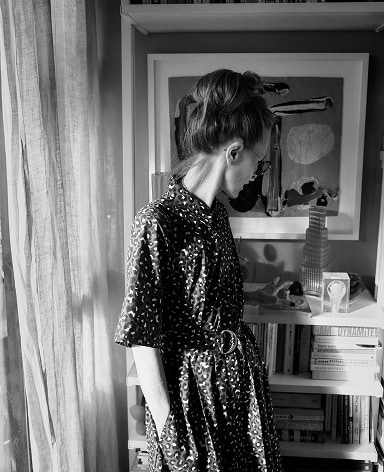
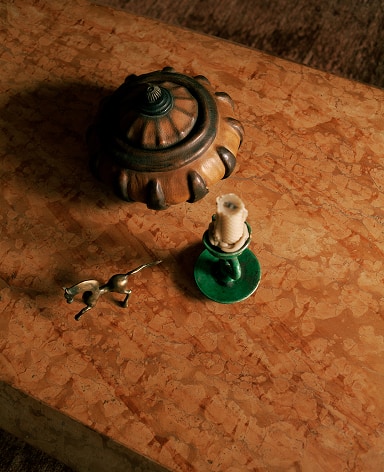
Left: Painting by Louise Olsen. Right: Coffee table from Smith Street Bazaar. Bronze horse by Ross Cameron.
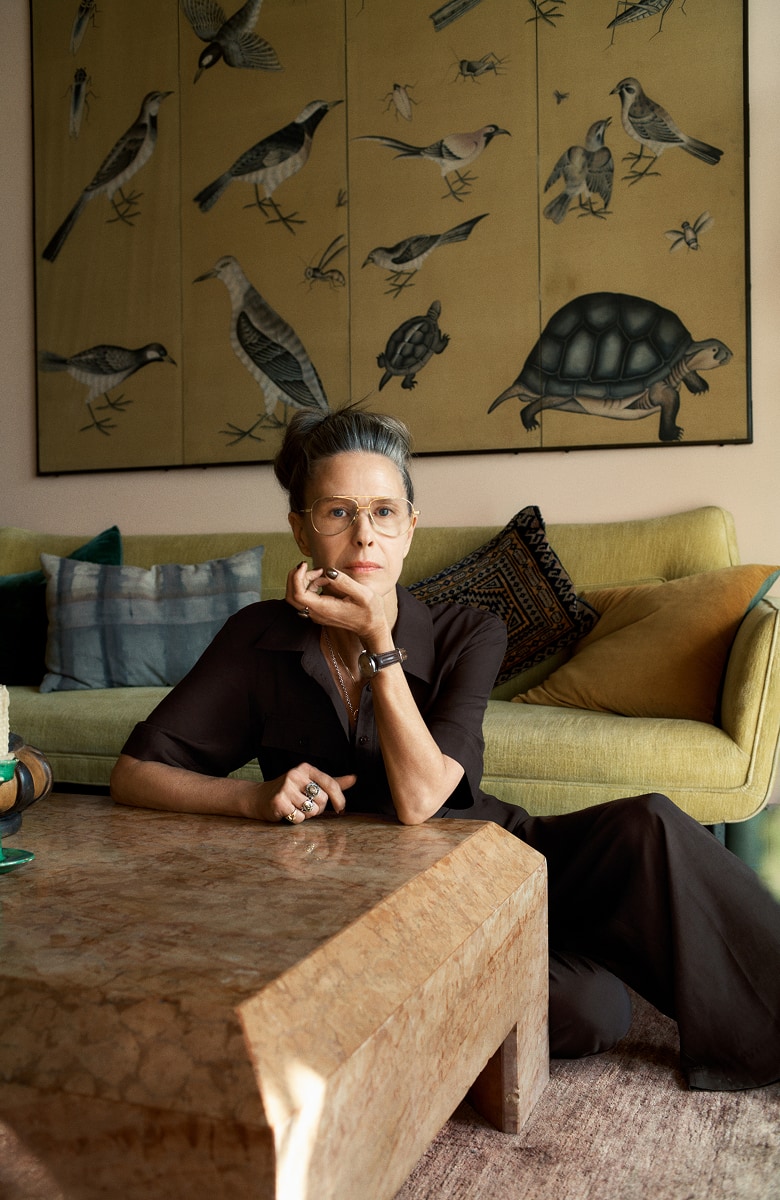
Brahman
Designer, at home on Dja Dja Wurrung Land, Victoria
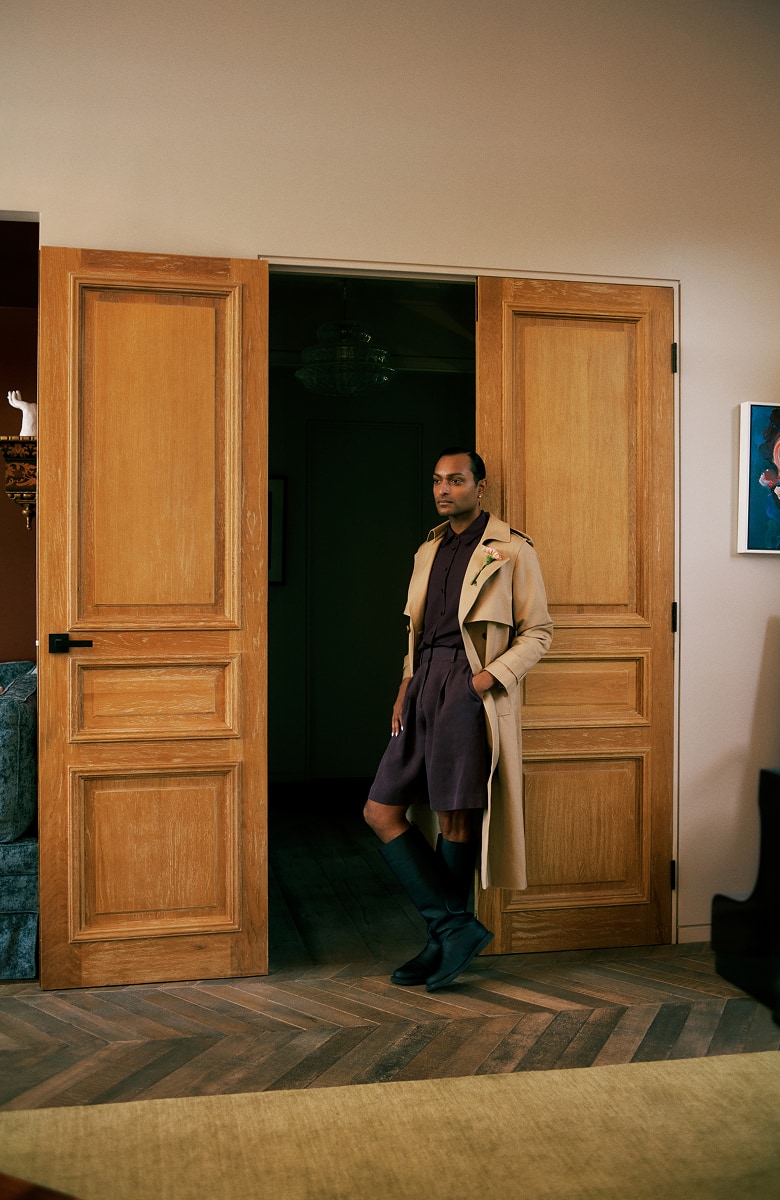
Brahman is rarely still. If you catch him on the phone, he'll likely be circling a room, pacing and possibly a little breathless. “I need movement,” he explains, “so I'm distracting my body while I'm deep thinking.”
Raised in Melbourne by Sri Lankan parents, a Hindu mother and Catholic father, he grew up within a rich patchwork of dualities. These echoes thread through his interiors, where tactility and light matter more than symmetry, and atmosphere outranks trend. Even the ceiling gets his full attention: “If I walk in and see white, I think, what a wasted opportunity.”
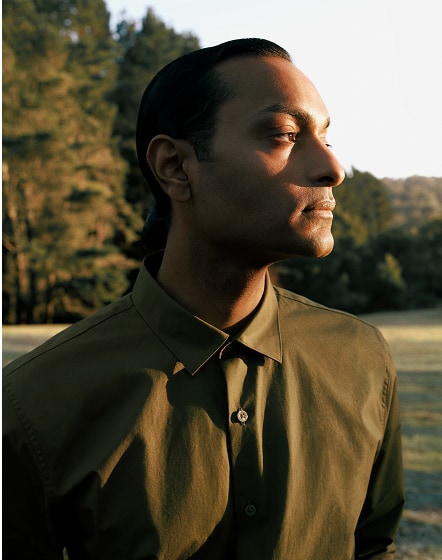
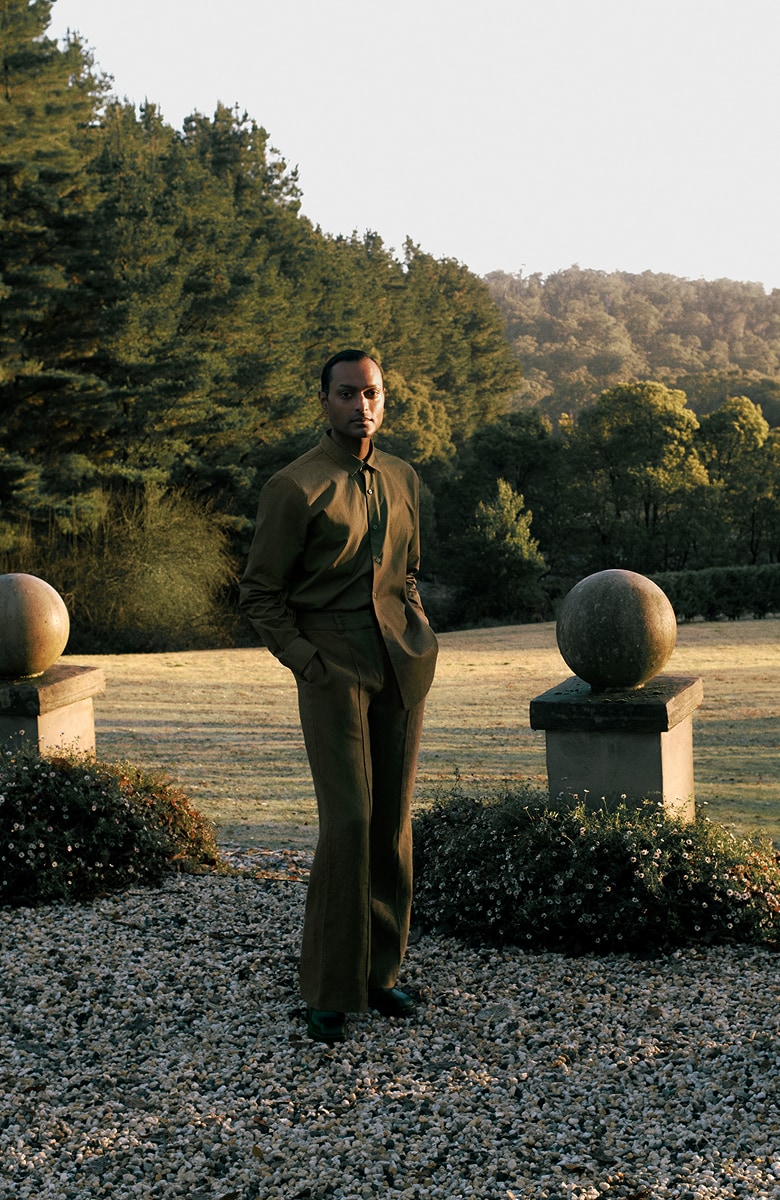
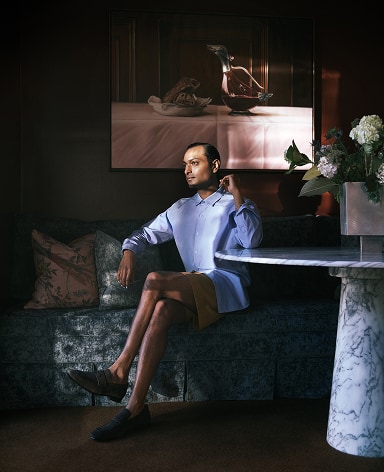
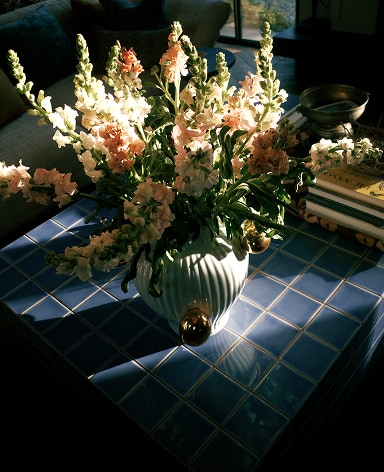
Brahman cares about how a room makes you feel. He's known for sensual, characterful spaces that blend the nostalgic with the unexpected. His rooms are guided by instinct and a love of contradiction: vintage finds meet contemporary silhouettes, inherited pieces are paired with daring palettes, textures that shouldn't work somehow do.
That same instinct extends beyond interiors. Brahman co-owns Hopper Joint with his restaurateur partner, Jason Jones—a Sri Lankan eatery in Melbourne's inner north, eight years in the making. From the custom rattan chairs and marigold linen serviettes to the antique brass bells on tables, every detail is a personal expression of aesthetics, culture and community.
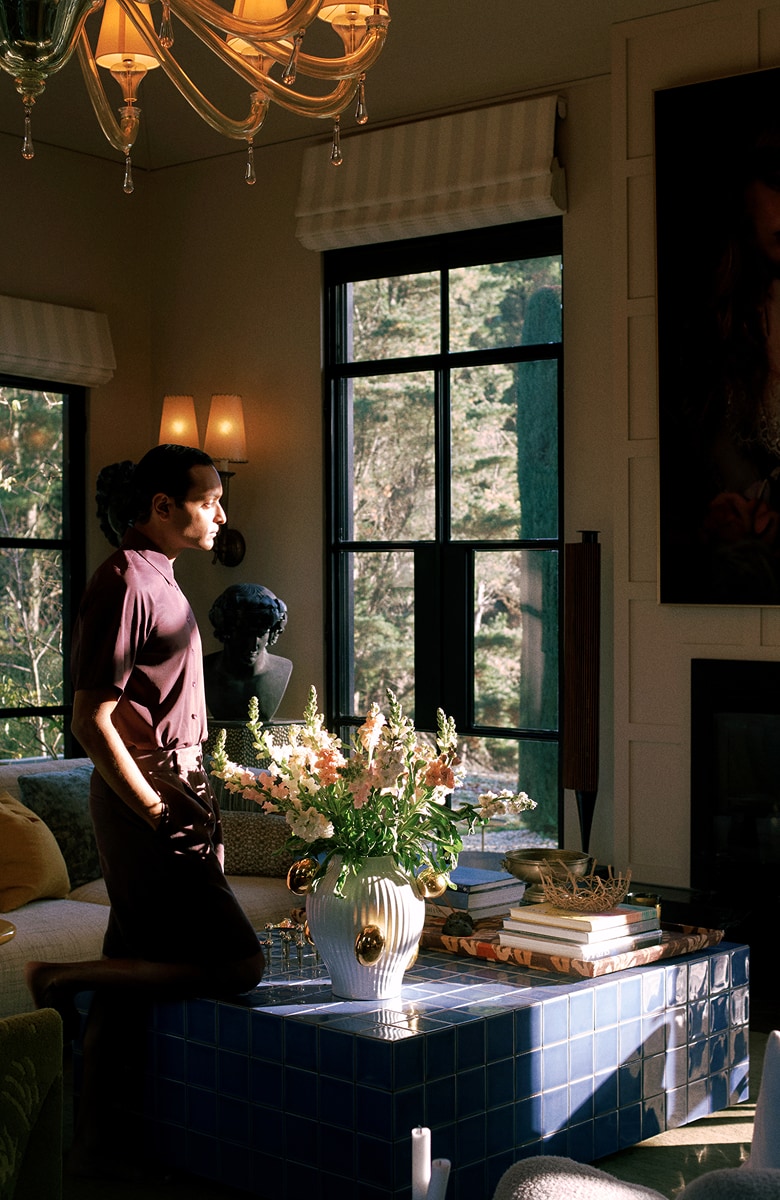
Haven Sofa by King Living. Artwork by Marnie Haddad, Untitled #1 'The Estate' (2018). Delft Blue Vase No. 06 by Marcel Wanders for Moooi from Space Furniture.
The Things We Hold
Designer Brahman and multidisciplinary artist Eryca Green discuss the beauty of imperfection, transformative colour and the joy of slowing down.